Please note: This guide is based on Swedish laws and regulations. Rules differ between countries, so always check what applies where you live and travel. You are responsible for checking the rules that apply to you.
Motorhome engine and mechanical faults: AdBlue, EGR, DPF and turbo
Please note: This guide is based on Swedish laws and regulations. Rules differ between countries, so always check what applies where you live and travel. You are responsible for checking the rules that apply to you.
The exhaust aftertreatment on a diesel motorhome or converted van is built for a type of driving that everyday life in a leisure vehicle does not always resemble. Short trips, long stays at a stopover and cold nights affect AdBlue, the EGR valve, the diesel particulate filter (DPF) and the turbo in different ways. This section gathers the guides for motorhomes and converted vans on common base vehicles: Fiat Ducato and Multijet, Ford Transit, Mercedes-Benz Sprinter and VW Crafter. The texts explain typical warnings and what you can check yourself. They are not a workshop diagnosis of your particular vehicle. A good next step is often to read the fault code and compare it with what actually appears in the display and in the handbook.
The essentials at a glance
An engine warning light, or a message about AdBlue, the particulate filter, EGR or the turbo, should be read — not ignored. Read the exact message in the display and, when you can, the fault code. The same light can mean different things. Motorhomes and converted vans stand still more and are driven on shorter journeys more often than an everyday car. That particularly affects the particulate filter, EGR and AdBlue. A low AdBlue level is dealt with by putting the right fluid in the right tank, according to the handbook. A system fault is a different matter. Do not disconnect the exhaust aftertreatment, and do not fit equipment that tricks the system. Go to a workshop if the engine warning light is flashing, if the engine is in limp mode, if a start inhibit is active, or if you are unsure after reading the code.
When you should go to a workshop
The engine warning light is flashing, or the engine is in limp mode. An AdBlue warning with few starts left, or a start inhibit. A regeneration that cannot be completed, a sharp loss of power, unusual smoke, or an abnormal noise from the turbo. You are unsure of the cause after reading the code.
The guides do not replace an assessment in a workshop. They do not say that you can drive on as usual just because the light is on steadily.
AdBlue, EGR, particulate filter and turbo — which guide should you read? AdBlue warning and start inhibit An AdBlue light usually means the level is low, but it can also be a system fault. The difference matters: the wrong fluid, the wrong tank, or a warning that does not clear after filling belongs in a workshop. In winter and after a long standstill there is also a risk of freezing and of aged fluid. More in the AdBlue guide on warnings and start inhibit. Particulate filter and regeneration The particulate filter sometimes needs a drive in which the engine gets hot enough to burn off soot. Short trips between stopovers are not always enough, and an interrupted regeneration can give a warning light, a loss of power or, over time, a blocked filter. More in the guide to the particulate filter in a motorhome or converted van. EGR valve The EGR valve returns some of the exhaust gases to the engine. Soot and short journeys can make it stick or reduce the flow, with uneven idle, reduced pulling power or an engine warning light as a result. More in the guide to the EGR valve in a motorhome or converted van. Turbo and boost pressure The turbo gives the engine more air. Leaking hoses, a fault in the control, or a blocked exhaust system can give too little boost, poor pulling power and a typical fault code. More in the guide to turbo and boost pressure in a motorhome or converted van. The models above are mentioned as a support in the guides. The existing page on common Fiat Ducato problems remains a model and buying guide, including the timing belt and other known faults. The service plan for the base vehicle covers servicing more widely. To look up a code, use the fault-code tool.
Frequently asked questions The engine warning light is on — what should I do? Read the exact message in the display and, when you can, the fault code, and compare them with the handbook. A light that is on steadily should be followed up, especially before a longer trip. If the light is flashing, or the engine is in limp mode, go to a workshop. Can I troubleshoot AdBlue, EGR or the particulate filter myself? You can read messages, check fluid levels and top up AdBlue in the right tank according to the handbook. You should not dismantle the exhaust aftertreatment, disconnect sensors, or try to “reset” a fault that has not been put right. If you need more than the handbook describes for filling and checking, that is a job for a workshop. Why do motorhomes more often have problems with the particulate filter and AdBlue than an everyday car? Not because the systems are different in principle, but because the driving often is. The leisure vehicle stands still for longer, is driven in shorter stints and is stored in the cold. The particulate filter then does not always have time to regenerate, and AdBlue can age, freeze in containers, or give warnings after a standstill. Which base vehicles do the guides cover? They are written for motorhomes and converted vans on common diesel base vehicles, especially Fiat Ducato and Multijet, Ford Transit, Mercedes-Benz Sprinter and VW Crafter. Details differ between model years and equipment. The handbook for your particular vehicle comes before a general guide. When should I go to a workshop instead of reading on? When the engine warning light is flashing, when the engine is in limp mode, when an AdBlue warning points towards a start inhibit, when a regeneration cannot be completed, or when you are unsure after reading the code. How do I look up a fault code? With an OBD reader in the vehicle’s diagnostic socket, or by asking a workshop to read it. Write the code down exactly, together with the message shown in the display. Use the code as a way into the right system, not as a finished answer to which part should be replaced. The fault-code tool gives general information, not a diagnosis of your vehicle.
Guides in this topic
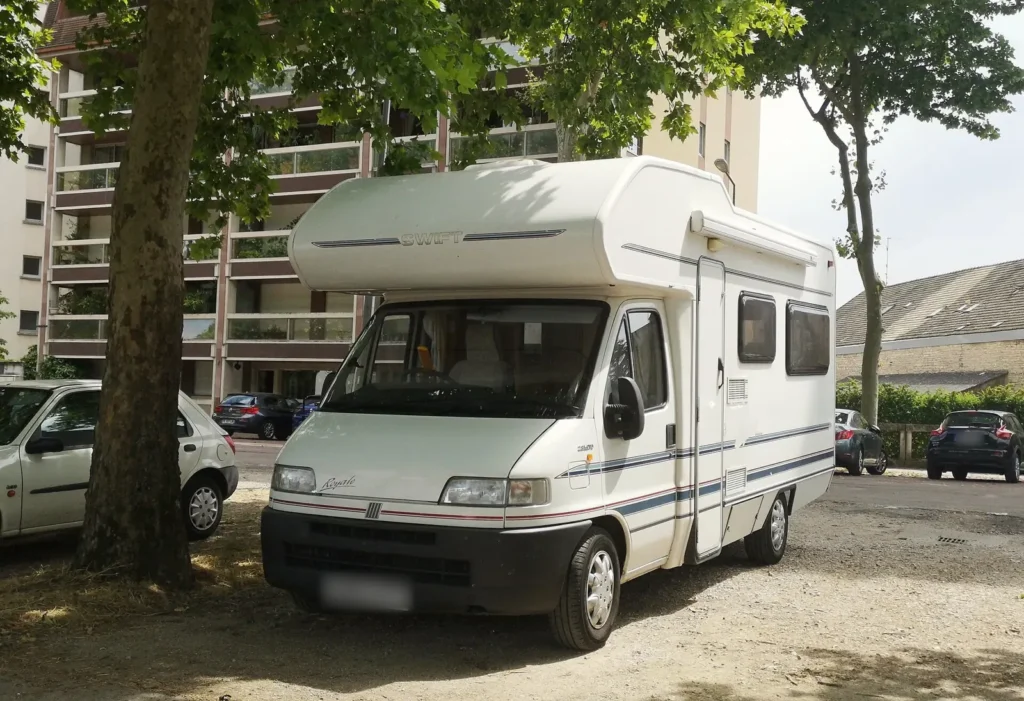
Fiat Ducato as a motorhome or campervan: common faults and what to check
Common faults and problems on a Fiat Ducato motorhome or campervan: timing belt interval, AdBlue, P0299 and turbo, EGR, DPF and rust.

Mercedes Sprinter as a motorhome or campervan: common faults and what to check
Common faults and problems on a Mercedes Sprinter motorhome or campervan: AdBlue, turbo and P0299, rust and the timing chain. What to check before you buy.
Ford Transit as a motorhome or campervan: common faults and what to check
Common faults and problems on a Ford Transit motorhome or campervan: the wet timing belt, AdBlue, turbo and P0299, and rust. What to check before you buy.
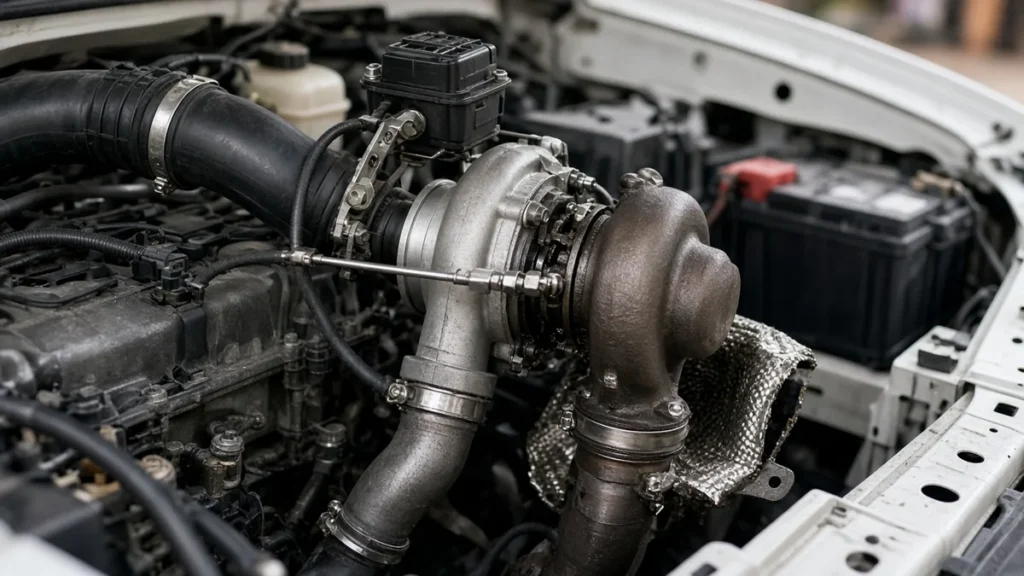
Turbo faults in a motorhome: boost and symptoms
Underboost, smoke and related faults on motorhome and van-conversion turbos, including what P0299 often points to.
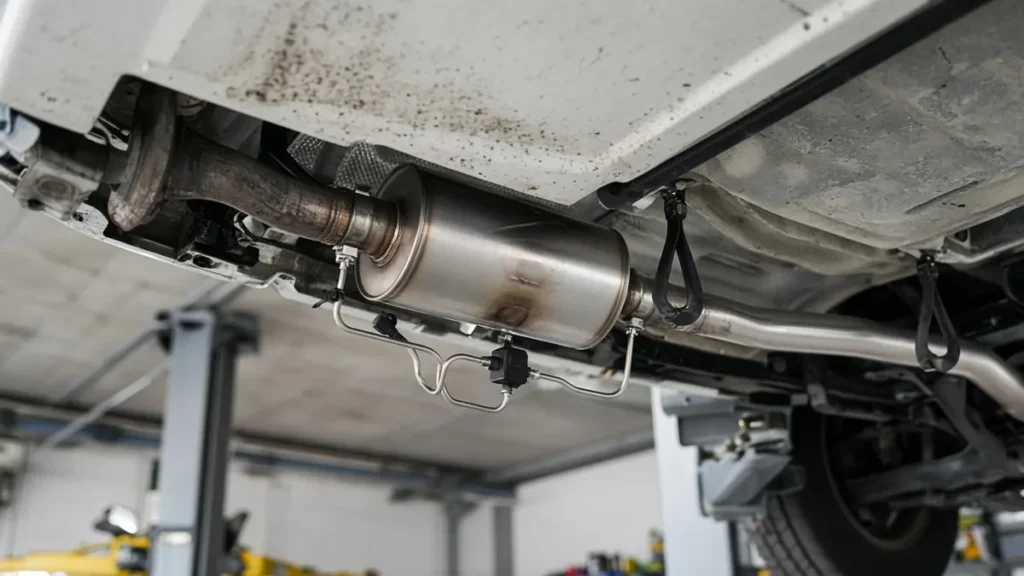
DPF in a motorhome: regeneration and faults
How a diesel particulate filter works in a motorhome, when regeneration fails, and what fault codes such as P2002 often mean.
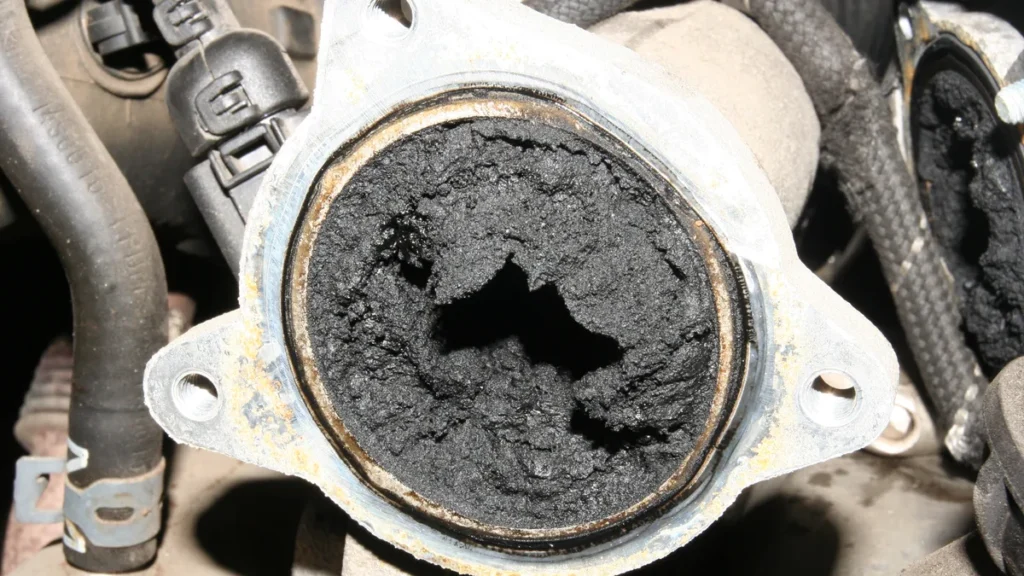
EGR valve in a motorhome: symptoms and fixes
Symptoms of a failing EGR valve on motorhomes and van conversions, and how it ties in with codes such as P0401 and P0403.
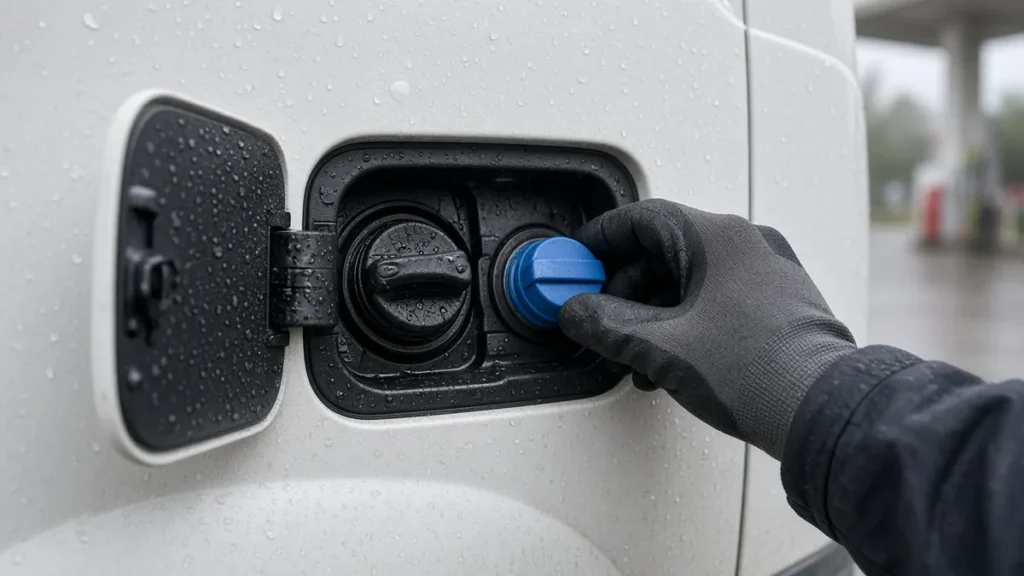
AdBlue in a motorhome: warnings and faults
AdBlue warnings, lamps and start lockouts on motorhomes and van conversions, including Ducato, Transit and similar.