Contents of the guide Show ▾
Quick answer the most common expensive faults on a Fiat Ducato used as a motorhome or campervan are an overdue timing belt, a sooted EGR valve and a blocked particulate filter after lots of short trips, AdBlue faults on newer vans, worn clutches and dual-mass flywheels, and rust in the wheel arches, sills and rear doors on older generations. Most of it can be spotted before you buy with the service book, a fault-code read, a proper test drive and a look under the van.
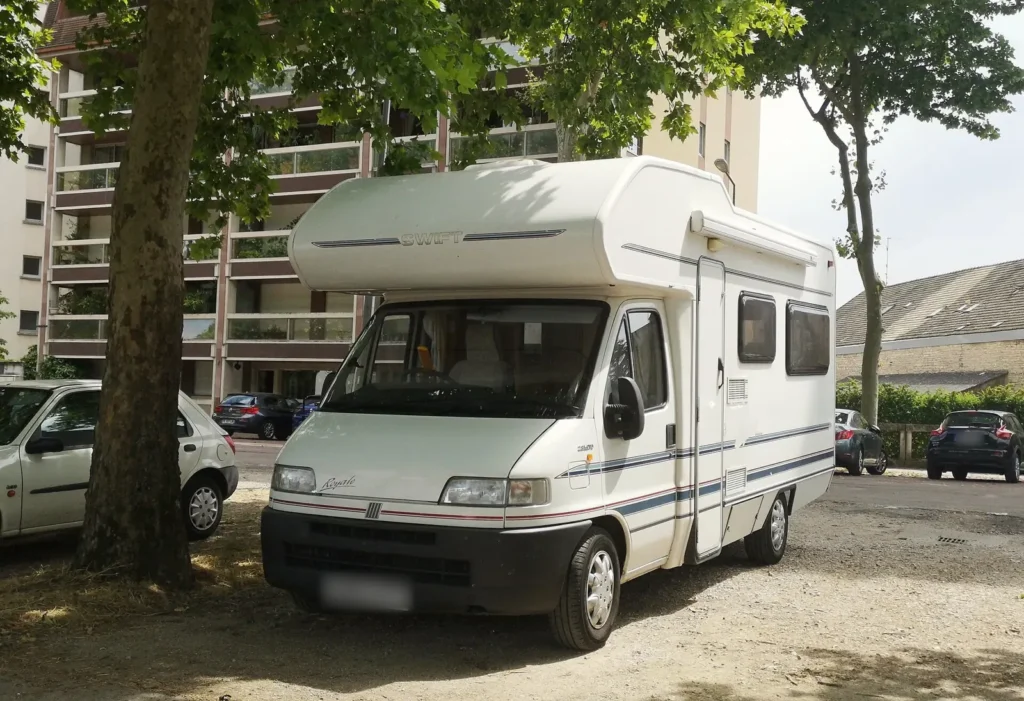
The Ducato, along with its siblings the Peugeot Boxer and Citroën Jumper, is by far the most common base vehicle for motorhomes and campervans in Europe. That means plenty of parts and workshops that know the van, but also that its faults are well known. This guide goes through them in the order a workshop would: engine and emissions first, then driveline, chassis and body. There is also a checklist to take to a viewing.
The essentials at a glance
- The timing belt is governed by age, not just distance. A motorhome that covers few kilometres reaches the time limit long before the distance limit. With no receipt, plan on a change.
- Short trips are the enemy of the emissions system. EGR, particulate filter and AdBlue all suffer from short journeys and long periods standing still.
- The clutch takes a beating. Heavy loads and hill starts wear it. Listen for rattling at idle and feel for slipping.
- Rust hides where you don’t look. Rear wheel arches, sill edges, the bottom of the rear doors and the joints to the conversion.
- Check you have the right engine. The Boxer and Jumper look the same but partly have different engines, and intervals differ between engine generations.
Which Ducato do you have? Generations and engines
Faults depend a lot on generation and engine, so find out exactly which van it is before reading on. The Swedish registration certificate shows power and fuel but not the engine code, so ask a workshop to look up the VIN if you are unsure.
| Generation | Approx. years | Common diesel engines | What to watch |
|---|---|---|---|
| Second generation (type 230/244) | 1994–2006 | 2.0 JTD, 2.3 JTD, 2.8 JTD/iD | Rust, wear, ageing rubber parts, often no particulate filter |
| Third generation (type 250) | 2006–2014 | 2.2 (PSA/Ford), 2.3 Multijet, 3.0 Multijet | Timing belt (2.3), clutch, rust in rear wheel arches, EGR |
| Third generation, facelift (type 290) | 2014–2021 | 2.0 and 2.3 Multijet II, 3.0 Natural Power | Particulate filter, AdBlue on Euro 6 versions (from around 2016), timing belt |
| Ducato 8 and later | from approx. 2021–2022 | 2.2 Multijet 3 | New service schedule, electronics, AdBlue |
The years are approximate and vary between markets. Motorhome builders often use chassis that are somewhat older than the registration year.
The Ducato comes in several lengths and roof heights, and the size codes do not mean the same dimensions as on other makes. See Ducato L2H2 and other van sizes.
Fiat Ducato timing belt: interval and warning signs
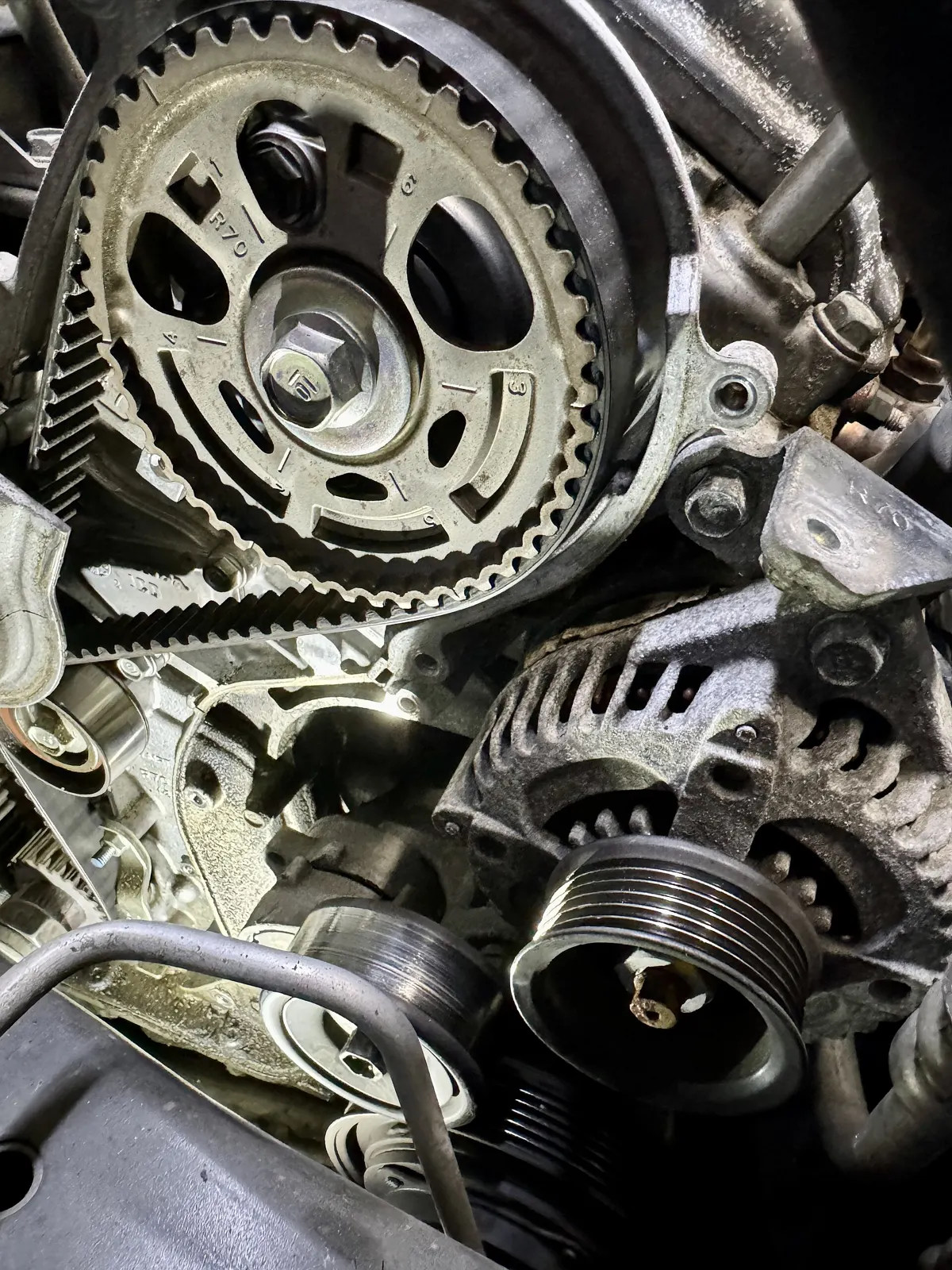
The 2.0 and 2.3 Multijet engines have a timing belt; the larger 3.0 has a timing chain. If the belt snaps on a belt engine, the result is usually major engine damage, as pistons and valves can hit each other. That is why the age of the timing belt is one of the first things to check on a used Ducato.
Timing belt interval according to Fiat
Fiat’s maintenance schedule for the Ducato with Multijet II (type 290, May 2015 edition) gives two different intervals depending on the engine:
- 2.3 Multijet II (130, 150 and 180 hp): replace at no more than 192,000 km.
- 2.0 Multijet II (115 hp): replace at no more than 144,000 km.
For both, the belt must be replaced after five years regardless of mileage, and after four years under severe operating conditions. Fiat counts cold climates, city driving and long periods of idling as severe conditions. In other words, a cold climate is included – worth bearing in mind for a motorhome in Sweden. Whichever comes first applies.
Other intervals apply to the 2.2 Multijet 3 in newer vans. Always check the service book, or have a Fiat Professional workshop pull up the schedule from the VIN.
Signs to look out for
A timing belt rarely gives any clear warning before it breaks, so the paperwork is the most important sign:
- A receipt or service book entry showing when the belt was changed, in both years and kilometres.
- A sticker in the engine bay with the date and mileage of the last change, if the workshop fitted one. It does not replace the receipt.
- Fiat’s maintenance schedule also includes inspecting the condition of the timing belt at certain services. Ask whether it has been done.
With no proof of a change, plan to do it before driving far.
When the timing belt is changed, the tensioner, idlers and often the water pump are normally replaced too, since they sit behind the same covers. Ask what the quote includes and get it in writing before work starts.
EGR and particulate filter (DPF)
The EGR valve routes part of the exhaust back into the intake to cut nitrogen oxides. The particulate filter traps soot and burns it off at intervals, known as regeneration. Both work best when the engine gets to run warm for a good while. A motorhome that mostly stands still, or is only driven short distances between campsites, is therefore at risk.
Symptoms of trouble
- An engine warning light or a particulate filter warning in the display.
- Loss of power and limp mode (limited revs).
- Uneven idling, black smoke when accelerating or jerky acceleration.
- The cooling fan running for a while after the engine is switched off, which can mean a regeneration was interrupted.
- Higher fuel consumption and a rising oil level (diesel in the oil after many interrupted regenerations).
Prevention
Regularly drive a longer distance on main roads or motorways, ideally half an hour or more at a steady speed, so the filter gets a chance to regenerate. Do not interrupt a regeneration in progress unless you have to. Use engine oil to Fiat’s specification, as vehicles with a particulate filter need low-ash oil. If the van has stood for a long time, it is a good idea to have the fault codes read before a longer trip.
More in our guides to the particulate filter and the EGR valve.
AdBlue on newer Ducatos
The Euro 6 versions use SCR with AdBlue. The system consists of a tank, pump, heater, sensors and a dosing unit in the exhaust. Common faults are sensors and pumps that stop working, crystallised AdBlue and faults after long periods standing still. The van warns you in good time, but if you ignore the warning it will eventually refuse to start.
In Fiat’s Ducato owner handbook (English edition, July 2018), the first warning comes at around 1,200 km of AdBlue range left, and the light only goes out once you have added at least 3 litres. When the range reaches zero, the van cannot be restarted after switching off until you have topped up.
- Top up AdBlue in good time, using clean fluid from a sealed container or pump.
- AdBlue freezes at around minus 11 degrees. The system has a heater, but leave it alone while the display says it is warming up.
- For long storage, follow the handbook. AdBlue degrades with time and heat, so old fluid in the tank can be part of the problem.
- A system fault warning is not the same as a low level. Topping up won’t help; the van needs a workshop.
All the warning stages, waiting times after an empty tank and what not to do are in our in-depth guide to AdBlue in a motorhome.
P0299 and the turbo on the Ducato/Multijet
Fault code P0299 means the boost pressure is lower than the engine control unit is asking for. On a Ducato it usually shows as the van struggling on hills and with a load, sometimes with an engine warning light and limp mode.
In general, leaking charge-air hoses and intercoolers are more common causes of P0299 than a failed turbo, and a blocked particulate filter can set the same code. Read the code before replacing parts.
- The order of fault-finding and what you can check yourself: fault code P0299 (in Swedish).
- How the turbo and boost pressure work, and Fiat’s advice on warming up and switching off: turbo faults in a motorhome.
- Look up several codes at once in the fault-code tool.
Clutch, flywheel and gearbox
A fully laden motorhome is heavy, and the clutch works hardest on hill starts, when reversing with a trailer, and in stop-start city traffic. Many Ducatos have a dual-mass flywheel, which is replaced together with the clutch when worn. It is one of the more expensive repairs on the van.
- Slipping: the revs rise but the speed does not follow, most obvious in high gears on a hill.
- Rattling at idle that disappears when you press the clutch can point to a worn flywheel.
- Vibration as you let the clutch up and pull away.
- Stiff or notchy gear changes, especially first and reverse. Check the gear cable mountings too.
If the van has the automated gearbox (Comfort-Matic) or the later torque-converter automatic, ask for the service history and test it in queues and on hills.
Chassis, brakes and tyres
Motorhomes stand still a lot, and the chassis shows it. Brake discs rust, calipers stick and tyres age before they wear out.
- Check that the brakes do not pull to one side and that no wheel is hotter than the others after the test drive.
- Read the tyre’s manufacturing date (the DOT code, four digits: week and year). Old tyres can look fine but have hard, cracked rubber.
- Motorhomes often use CP or C tyres with a higher load index. Follow the registration certificate and the manufacturer’s requirements on size and pressure.
- The rear leaf springs and dampers work hard in a heavy camper. Look for broken spring leaves and leaking dampers.
Rust: where a Ducato tends to suffer
Older Ducatos, especially before 2014, rust in well-known places. Motorhomes add joints where the conversion meets the chassis and where water can sit.
The German TÜV report on vans, summarised by auto motor und sport in September 2025, describes the Ducato as a van with typical age-related faults: oil leaks, rust and brake problems, and unusually frequent remarks on the front axle. So check the front end and brake lines too while you are under the van.

- Rear wheel arches and wing edges.
- Sill edges and the bottom of the sliding and rear doors.
- The floor under the cab and around the entry step.
- Rear spring and axle mounts, and the inside of the chassis members.
- Exhaust hangers and heat shields.
- Holes drilled during the conversion, if the cut edges were never protected.
How to protect a campervan and treat drilled holes is covered in our guide to rust protection on campervans (in Swedish).
Other known weak points
- Electronics and sensors: sensors for the emissions system, throttle and temperature can trigger warning lights. A fault-code read tells you more than guesswork.
- Starter battery: motorhomes that stand for long periods drain the starter battery, especially with an alarm, tachograph or other parasitic drain.
- Water leaks into the cab: check the cab carpets and around the windscreen.
- Recalls: have a Fiat Professional workshop check that any recalls have been carried out. A motorhome on a Ducato chassis is often sold by the converter rather than by Fiat, so do not count on getting a letter. Take the VIN from the registration certificate with you.
Checklist: how to check a used Ducato
Ducato before purchase
- Service book and receipts. When was the timing belt changed, in years and kilometres?
- Engine variant and Euro class. Does the servicing match that engine?
- Recalls checked from the VIN.
- Fault-code read, especially EGR, particulate filter and AdBlue.
- Cold start: listen for unusual noises and look for smoke.
- Test drive of at least 20 minutes, including open road and hills.
- Clutch: slipping, vibration and rattling at idle.
- Rust in wheel arches, sills, doors, chassis members and spring mounts.
- Tyre age (DOT code) and the condition of the brake discs.
- Leaks under the van after the test drive.
- Weight: weigh the van and compare with the gross weight and axle loads.
The full check of both base vehicle and habitation area is in our used van checklist, which you can open on your phone at the viewing.
Is the Ducato a good choice for a campervan?
Yes, for most people. The Ducato has good interior dimensions, front-wheel drive that gives a low floor, lots of ready-made conversion parts and plenty of workshops and spares. The downsides are well known and manageable: follow the timing belt interval by time, give the emissions system longer drives and keep an eye on rust. To compare it with the Sprinter, Transit, Crafter and Master, read our guide to choosing a van for a conversion. Common faults on the other two big base vehicles are covered in our guides to the Mercedes Sprinter and the Ford Transit.
Planning to re-register your van as a motorhome? That guide explains what the registration inspection requires in Sweden.
Frequently asked questions
Does the Fiat Ducato have a timing belt or a timing chain?
The 2.0 and 2.3 Multijet have a timing belt. The 3.0 has a timing chain. Always check which engine your van has.
How often should the timing belt be changed on a Fiat Ducato?
Fiat’s maintenance schedule for the Multijet II gives 192,000 km for the 2.3 and 144,000 km for the 2.0, but always after five years, and after four years under severe conditions such as a cold climate, city driving and lots of idling. Whichever comes first applies. The 2.2 Multijet 3 and older engines may have other intervals, so follow the service book for your van.
Why does my Ducato go into limp mode?
Common causes are a blocked particulate filter, a sooted EGR valve, a fault in the turbo control or the AdBlue system. Read the fault codes before replacing parts.
Why does the AdBlue light come on in my Ducato?
Usually because the level is low. In Fiat’s handbook the first warning comes at around 1,200 km left, and the light goes out once you have added at least 3 litres. If it does not go out after topping up correctly, or the display says system fault, the van needs a workshop. More in AdBlue in a motorhome.
How do I avoid particulate filter problems in my motorhome?
Regularly drive longer distances at a steady speed so the filter can regenerate, do not interrupt regenerations unnecessarily, and use engine oil to Fiat’s specification.
Are the Peugeot Boxer and Citroën Jumper the same as the Ducato?
The body and chassis are largely the same, but the engines partly differ, so service intervals and known engine faults may be different.
Which Ducato model years rust the most?
Older generations, especially before 2014, rust most in the rear wheel arches, sills and rear doors. Condition depends more on how the van has been looked after and stored than on the model year, though.
Keep reading
- Mercedes Sprinter as a motorhome or campervan: common faults
- Ford Transit as a motorhome or campervan: common faults
- Choosing a van for a conversion
- Checklist for buying a used campervan (in Swedish)
- Used van checklist
- Rust protection on campervans (in Swedish)
- Fault code P0299 (in Swedish)
- AdBlue in a motorhome
- Turbo faults in a motorhome
- Fault-code tool
- All mechanical guides
Sources
- Fiat Professional, Maintenance schedule, Ducato type 290, Multijet 2, edition 05.15 (PDF, Dutch). Timing belt intervals for the 115 and the 130/150/180 Multijet 2, severe operating conditions.
- Fiat Ducato Owner Handbook, official English edition, July 2018, PDF from Fiat Aftersales (document 603.91.341). AdBlue warnings.
- auto motor und sport, “Sprinter, Crafter, Transit und Co.: Typische TÜV-Mängel dieser 11 Transporter”, 28 September 2025 (German).
- Transportstyrelsen, Winter tyres, TSFS 2009:19 section 5 as amended by TSFS 2025:68 (Swedish).
Last checked: November 2026. The intervals are the manufacturer’s figures for the engines named. Always follow the manufacturer’s service schedule for your vehicle.
New checklists and guides, plus reminders before winter storage and inspection. A few emails a year, nothing more.
The content is based on my own experience and the rules that applied when the text was written. Rules can change, and I am not responsible for factual errors or rule changes that affect your build or maintenance. Read the full disclaimer.

Linus Thell
Founder of Camperliv.se. Has worked with vehicles for essentially all of his adult life.
Read more about Linus →